Essential Truck Maintenance Schedule for Fleet Operators
December 5, 2025 • 7 min read • By Mobile Truck Clinic Team
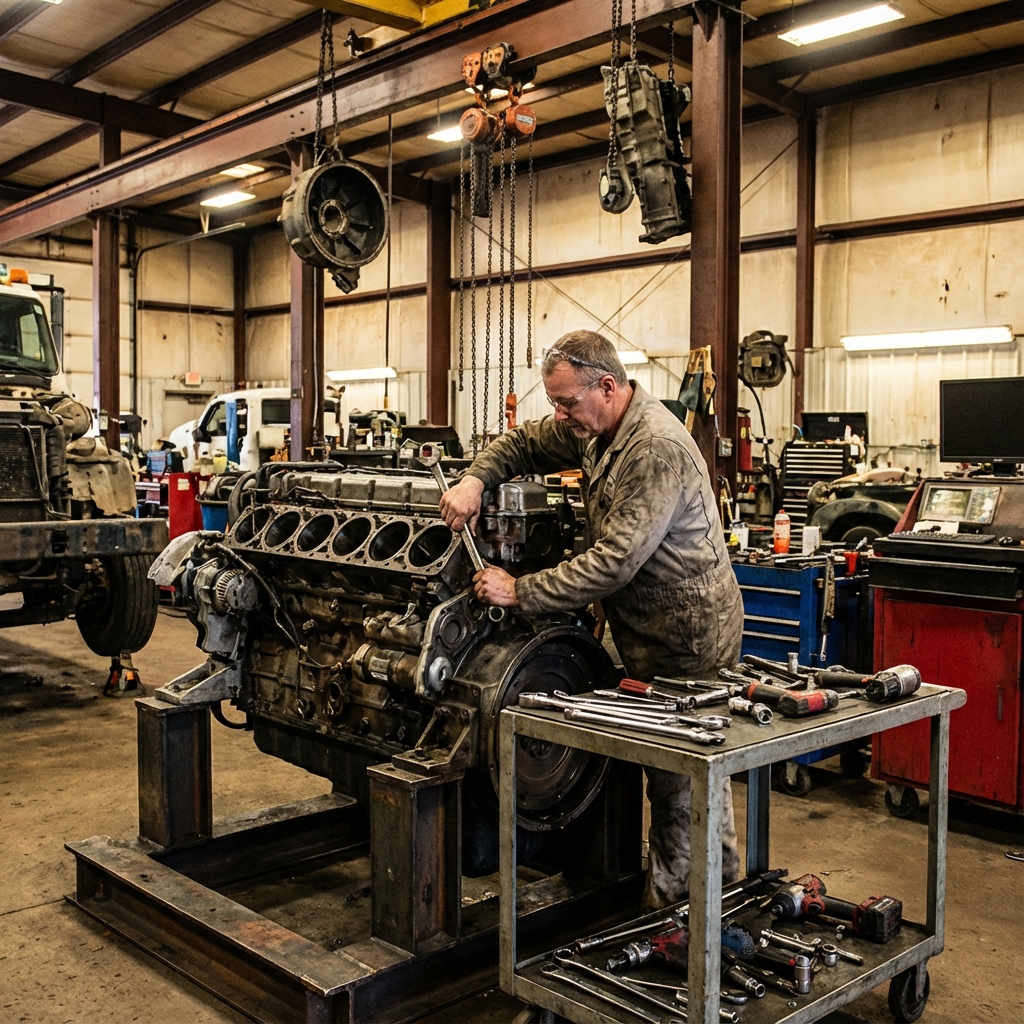
A well-planned maintenance schedule is the foundation of fleet efficiency, safety, and profitability. This comprehensive guide outlines essential service intervals and checks for commercial trucks.
Daily Checks (Before Each Trip)
These quick checks take 15-20 minutes but can prevent major breakdowns:
- Fluid Levels: Engine oil, coolant, brake fluid, power steering fluid
- Tire Inspection: Pressure, tread depth, visible damage
- Lights & Signals: All exterior lights functional
- Brake System: Air pressure, brake response
- Visual Inspection: Leaks, loose components, damage
Weekly Maintenance (Every 7 Days)
More thorough inspection of critical systems:
- Battery terminals and connections
- Air filter condition
- Belt tension and condition
- Suspension components
- Exhaust system check
Monthly Service (Every 30 Days)
- Detailed brake inspection
- Steering system check
- Clutch adjustment (if applicable)
- Grease all fittings
- Check all fluid levels and top up
Every 10,000 km
Standard service interval for most components:
- Oil Change: Engine oil and filter replacement
- Filters: Air filter, fuel filter inspection/replacement
- Lubrication: Chassis lubrication, universal joints
- Inspection: Comprehensive visual inspection
Every 20,000 km
- Gearbox oil level check
- Differential oil check
- Brake system detailed inspection
- Wheel bearing inspection
- Coolant system pressure test
Every 40,000 km
Major service interval:
- Gearbox oil change
- Differential oil change
- Fuel system cleaning
- Turbocharger inspection
- Complete brake overhaul if needed
Annual Inspections
Regardless of mileage, perform these checks yearly:
- Comprehensive safety inspection
- Emissions testing (where required)
- Structural integrity check
- Electrical system diagnostics
- Hydraulic system inspection (if applicable)
Record Keeping Best Practices
Maintain detailed records of all maintenance:
- Date and mileage of service
- Work performed and parts replaced
- Technician notes and recommendations
- Costs and warranty information
- Next service due date/mileage
Cost-Benefit Analysis
While preventive maintenance requires investment, the returns are substantial. Our data shows that properly maintained trucks experience:
- 60% reduction in unexpected breakdowns
- 25% improvement in fuel efficiency
- Extended component lifespan (30-40%)
- Higher resale values
- Improved driver safety and satisfaction
Need a Maintenance Partner?
We offer customized fleet maintenance programs tailored to your operation
Contact Us